

From current data on fatalities around the world, older people and those with underlying medical problems like cardiovascular disease, diabetes, chronic respiratory disease, and cancer are more likely to develop serious illness. Most people infected with the virus will experience mild to moderate respiratory illness and recover without requiring special treatment. Nevertheless, the WHO warns that anyone can get sick with COVID-19 and become seriously ill or die at any age.
For COVID-19 survivors, imaging tests taken months after recovery from COVID-19 have shown lasting damage to the heart muscle, even in people who experienced only mild COVID-19 symptoms. This means that there is an increased risk of heart problems such as heart failure or other heart complications in the future. In a recent study, it was found that non-hospitalized Covid 19 patients had a 39% increased risk of developing heart failure in the following year, compared with someone who didn’t develop the disease. Chances of developing heart inflammation as well as pulmonary embolism are 227 percent and 119 percent more among individuals with less severe cases of Covid-19, respectively, according to this latest study.
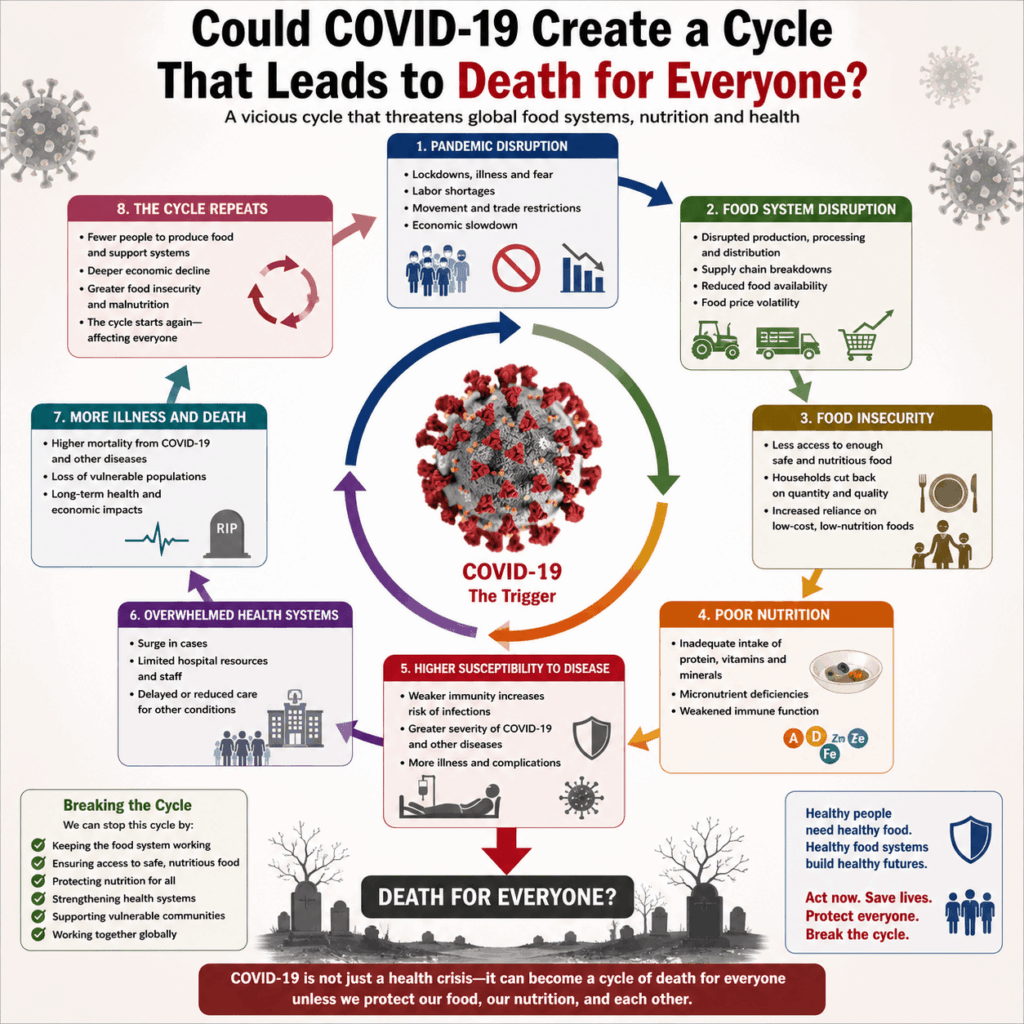
Here is the question: If COVID-19 is fatal to persons with comorbidities, especially those non-communicable diseases, and yet, for healthy people, it leaves you with those same comorbidities, what will happen in the future if it continues to ravage the population?
One possible logical conclusion may be that this disease will make you vulnerable when it catches up with you, and possibly “terminate” you when it passes the second or third time! Clearly, there have been reported cases of people who survived their first infection but could not win the second or third re-infection. According to the WHO, some people who have had COVID-19, whether they needed hospitalization or not, continue to experience symptoms, including fatigue, respiratory, and neurological symptoms. This means that more research into the effect of COVID-19 on long-term health is highly needed if governments have to be prepared for such eventualities.
This means that people must continue to protect themselves from this disease by observing social distancing, wearing face masks, and washing their hands with water and soap.