How Intelligent Packaging Is Revolutionizing the Future of Food

Discover how smart food packaging uses sensors, indicators, QR codes, RFID, and biosensors to improve food safety, reduce waste, monitor freshness, and enhance food traceability.

Discover how smart food packaging uses sensors, indicators, QR codes, RFID, and biosensors to improve food safety, reduce waste, monitor freshness, and enhance food traceability.

Edible insects are gaining global attention as a sustainable source of protein. Learn about their nutritional value, food safety, environmental benefits, challenges, and potential role in future food systems.

Summary Global seafood consumption has more than doubled over the past five decades, placing unprecedented pressure on marine ecosystems. Overfishing, climate change, habitat degradation, illegal fishing, and pollution threaten the long-term sustainability of many commercially important fish species. At the…

Summary Per- and polyfluoroalkyl substances (PFAS) are a large group of synthetic chemicals used in industrial processes and consumer products for their resistance to heat, water, oil, and stains. Because these compounds break down extremely slowly in the environment, they…

Summary Microplastics—tiny plastic particles smaller than five millimeters—have emerged as one of the most widely discussed environmental contaminants of the modern era. Once considered an ocean pollution problem primarily, researchers have now identified microplastics in drinking water, seafood, table salt,…

Summary Consumers generally assume that foods purchased from supermarkets, markets, and online platforms are authentic and accurately labelled. However, a growing body of evidence suggests that food fraud has become one of the most significant emerging threats facing global food…

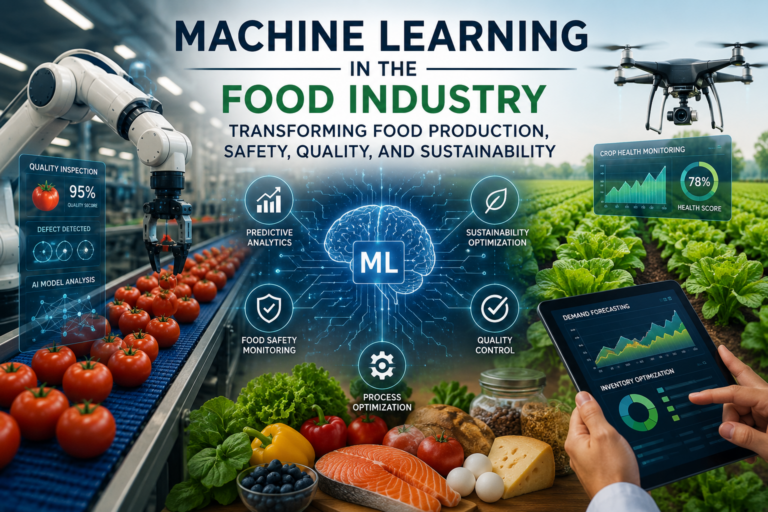
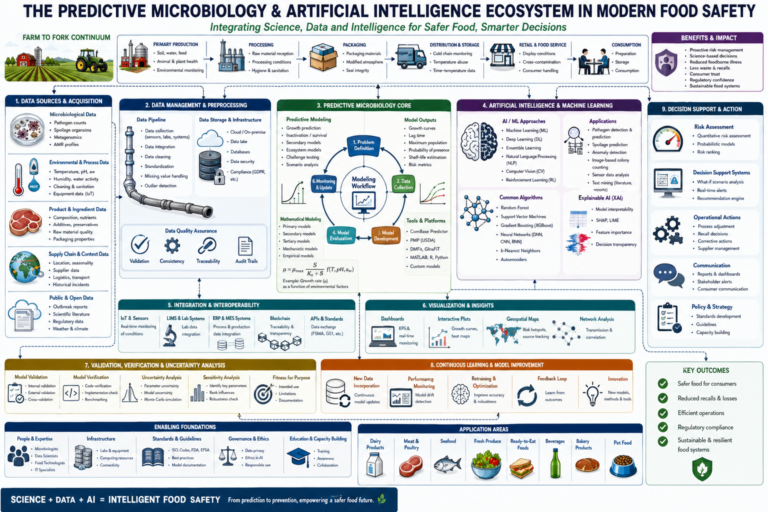
Summary Artificial Intelligence (AI) is rapidly transforming food production, processing, safety monitoring, and quality assurance. Traditionally, food safety systems have relied heavily on manual inspections, laboratory analyses, and reactive interventions after contamination events occur. Today, AI-powered technologies are enabling predictive,…

Summary Food safety remains one of the most significant public health challenges globally. Despite advances in food production, processing, and regulation, foodborne diseases continue to affect hundreds of millions of people annually. New estimates released by the World Health Organization…

Growing Trends in Foodborne Illnesses The incidence of foodborne illnesses is on the rise, posing a significant threat to public health. As our food systems become increasingly complex and interconnected, new and emerging risks are constantly evolving. It is essential…

Antibiotic residues refer to the presence of traces of antibiotics in food products, such as meats, dairy, eggs, and honey. These residues can come from the use of antibiotics in food animal production, where they are used to treat and…